
Top-Rated Equipment For Stamped Concrete Service Work
Find out which tools and supplies are favored by professionals for creating durable and visually appealing stamped concrete surfaces.
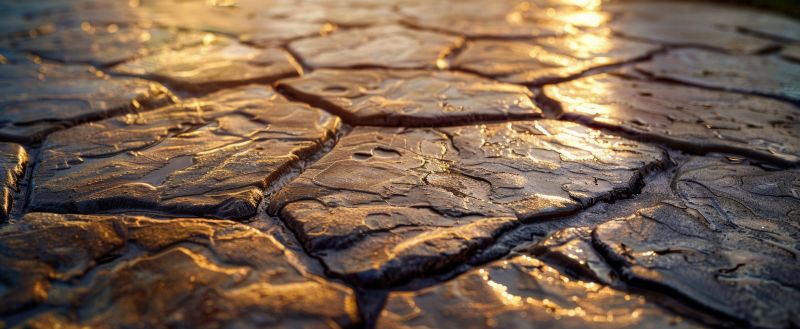 Stamped concrete is a popular decorative surface option that enhances the aesthetic appeal of outdoor spaces such as patios, walkways, and driveways. Achieving a high-quality stamped concrete finish involves using a variety of specialized products that help create realistic textures, colors, and patterns. These products include release agents, stamping tools, color hardeners, and sealers, each playing a crucial role in the final appearance and durability of the stamped concrete. Selecting the right combination of these materials can significantly influence the outcome, making it essential for service providers and DIY enthusiasts to understand the options available.
Top Overall Option
Multi-Purpose Concrete Stamping Kit
A comprehensive stamping kit that includes a variety of textured mats, release agents, and color additives designed to work together for a seamless stamping experience. This versatile set is suitable for different patterns and finishes, making it ideal for both professional contractors and DIY enthusiasts seeking reliable results.
Types of Products For Stamped Concrete Service
Release Agents
Products that prevent sticking and facilitate clean removal of stamping tools, available in spray, liquid, or powder forms.
Color Hardeners
Powders or liquids applied to the surface to add vibrant, durable color and enhance the textured appearance.
Color Stains
Liquid stains that penetrate the concrete to create natural-looking color variations and accents.
Stamping Mats and Tools
Flexible mats and hand tools that imprint patterns and textures onto the concrete surface.
Sealants and Topcoats
Protective coatings that seal in color, add gloss, and provide resistance against moisture and wear.
Bonding Agents
Adhesives that improve the bond between the concrete and overlay or decorative coating.
Acid-Based Stain Removers
Products used to clean and prepare surfaces prior to staining or sealing.
Texturing Compounds
Materials that add extra texture or slip resistance to stamped surfaces.
Anti-Slip Additives
Granular materials mixed into sealers to enhance safety by reducing slipperiness.
Concrete Dyes
Liquid or powder dyes that provide vibrant, long-lasting color options.
Surface Hardeners
Products that increase surface durability and resistance to abrasion.
Waterproofing Sealers
Sealants that protect stamped concrete from water infiltration and damage.
Popular Choices
Widely used for their ease of application and effective release properties.
Popular for adding consistent, durable color throughout the concrete mix.
Favored for creating variegated, natural stone-like appearances.
Commonly chosen for their variety of patterns and ease of handling.
Preferred for enhancing the appearance with a shiny finish.
Used frequently to ensure overlay adhesion and surface integrity.
Popular for their vibrant, long-lasting color effects.
Chosen for their ease of application and quick drying times.
Selected for adding slip resistance and decorative texture.
Often used for accentuating patterns and creating unique color variations.
Mixed into sealers to provide anti-slip properties.
Essential for proper preparation before applying decorative products.
Applied for a matte finish and additional surface protection.
Chosen for their durability and ability to mimic natural stone textures.
Popular for precise color control and long-lasting vibrancy.
In Oroville, California, professionals and homeowners alike seek reliable, effective products to ensure their stamped concrete projects meet their design visions. The market offers a broad spectrum of items designed to improve adhesion, enhance color vibrancy, and protect surfaces from wear and weathering. Proper application and product compatibility are key factors in achieving a long-lasting, visually appealing result. Whether working on a small residential pathway or a large commercial installation, having the right products on hand can streamline the process and contribute to a successful project.
The selection process involves considering factors such as ease of use, drying time, compatibility with existing materials, and the specific aesthetic goals of the project. High-quality release agents facilitate clean stamping and prevent sticking, while decorative color additives can mimic natural stone, brick, or slate. Sealers provide a protective layer that preserves color and texture over time, ensuring the stamped concrete maintains its beauty for years to come. Understanding these product categories and their functions can help contractors and homeowners make informed choices tailored to their specific needs.
Ultimately, investing in the right products for stamped concrete service can lead to more consistent results, reduced rework, and enhanced curb appeal. Proper preparation, application, and sealing are essential steps in the process that rely heavily on the quality of materials used. With a wide array of options available in Oroville, CA, selecting the appropriate products is a critical step toward achieving durable and attractive stamped concrete surfaces.
Key Buying Considerations
- Compatibility with existing concrete and overlay materials.
- Ease of application and drying times for your project timeline.
- Type of release agent suitable for the pattern and texture desired.
- Color options and whether they provide consistent, long-lasting vibrancy.
- Durability and resistance qualities of sealers and topcoats.
- Level of slip resistance required for safety considerations.
- Environmental conditions during application, such as temperature and humidity.
- Compatibility of products with each other to prevent adverse reactions.
- Ease of cleaning and surface preparation before application.
- Cost-effectiveness and value for the scope of your project.
- Availability of technical support or instructions from suppliers.
- Long-term maintenance requirements for the finished surface.
- Application tools and accessories needed for optimal results.
- Surface texture and pattern preferences for aesthetic goals.
- Protection against UV exposure and weathering if outdoors.